博客
天文与航天科普,每篇讲清楚一个现象、一次任务或一段历史。
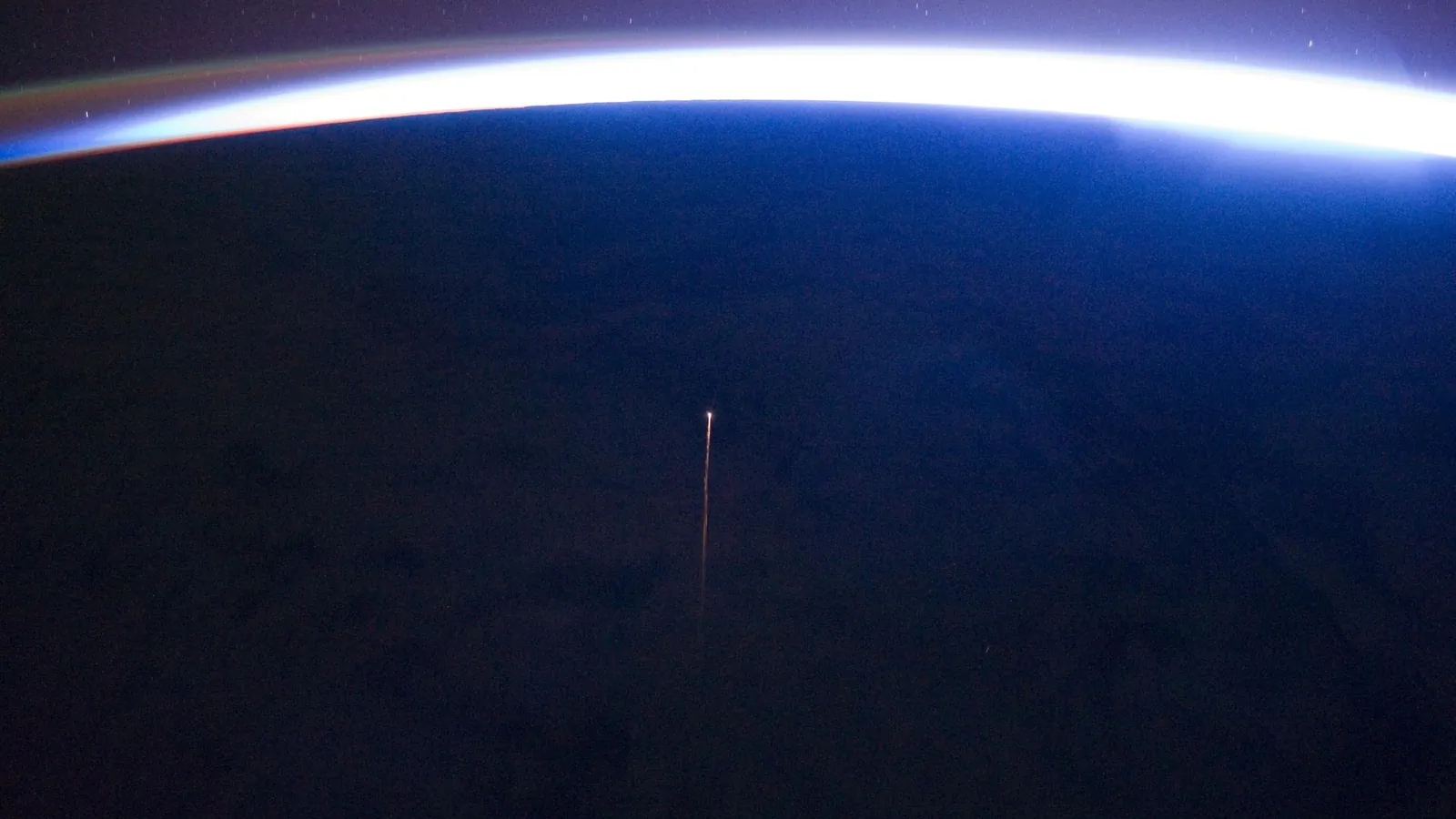
Atmospheric Reentry:
Why Capsules Don't Burn Up
At nearly 8 km/s, a capsule is heated less by friction than by air it compresses to over 10,000 K. A blunt shape, an ablative heat shield and a narrow corridor bring it home.
Read more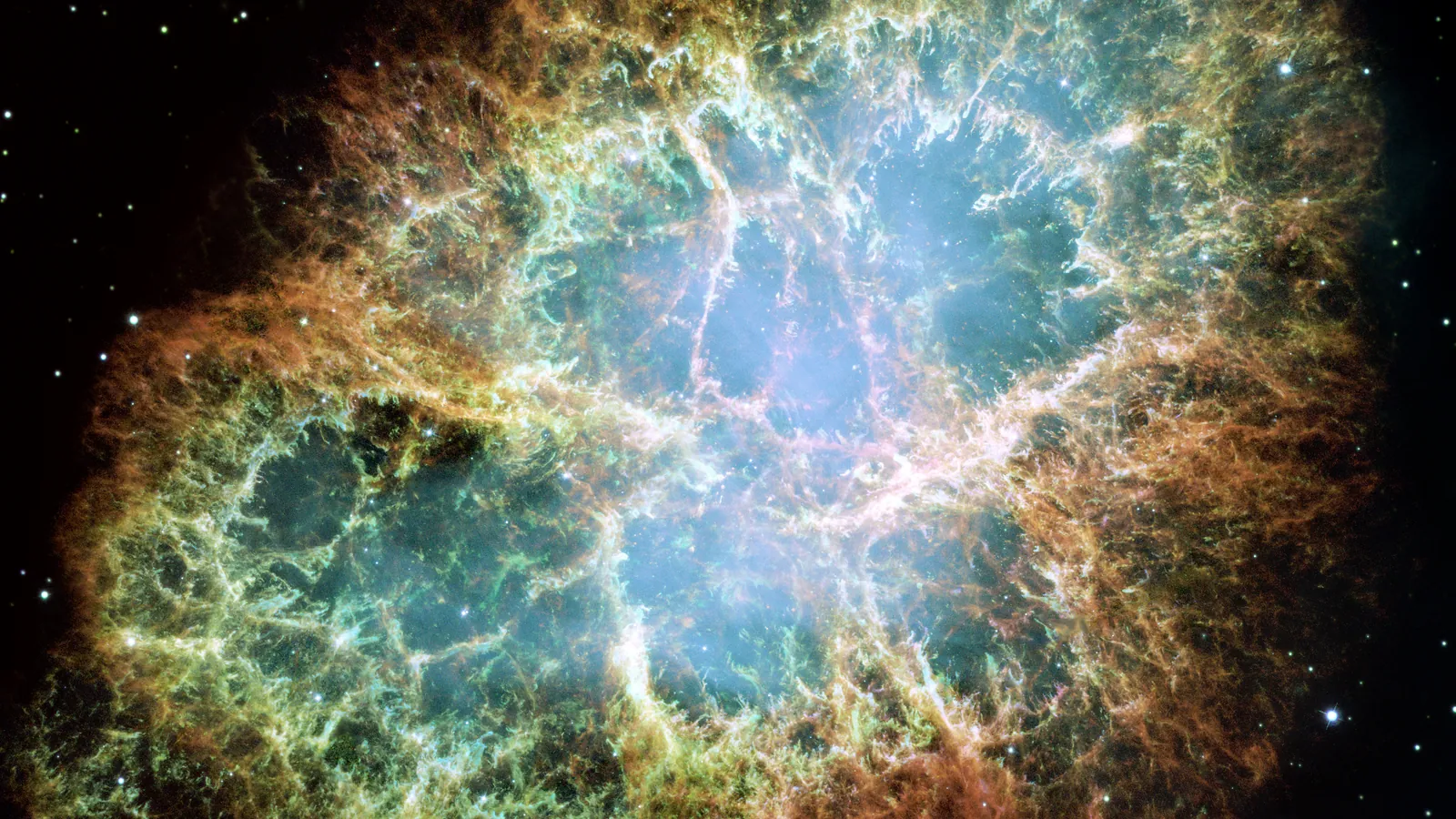
SN 1054:
The Guest Star in the Song Dynasty Records
In 1054, Song dynasty astronomers logged a guest star seen in daylight for 23 days. Nearly 900 years later, it was confirmed as the supernova that created the Crab Nebula.
Read more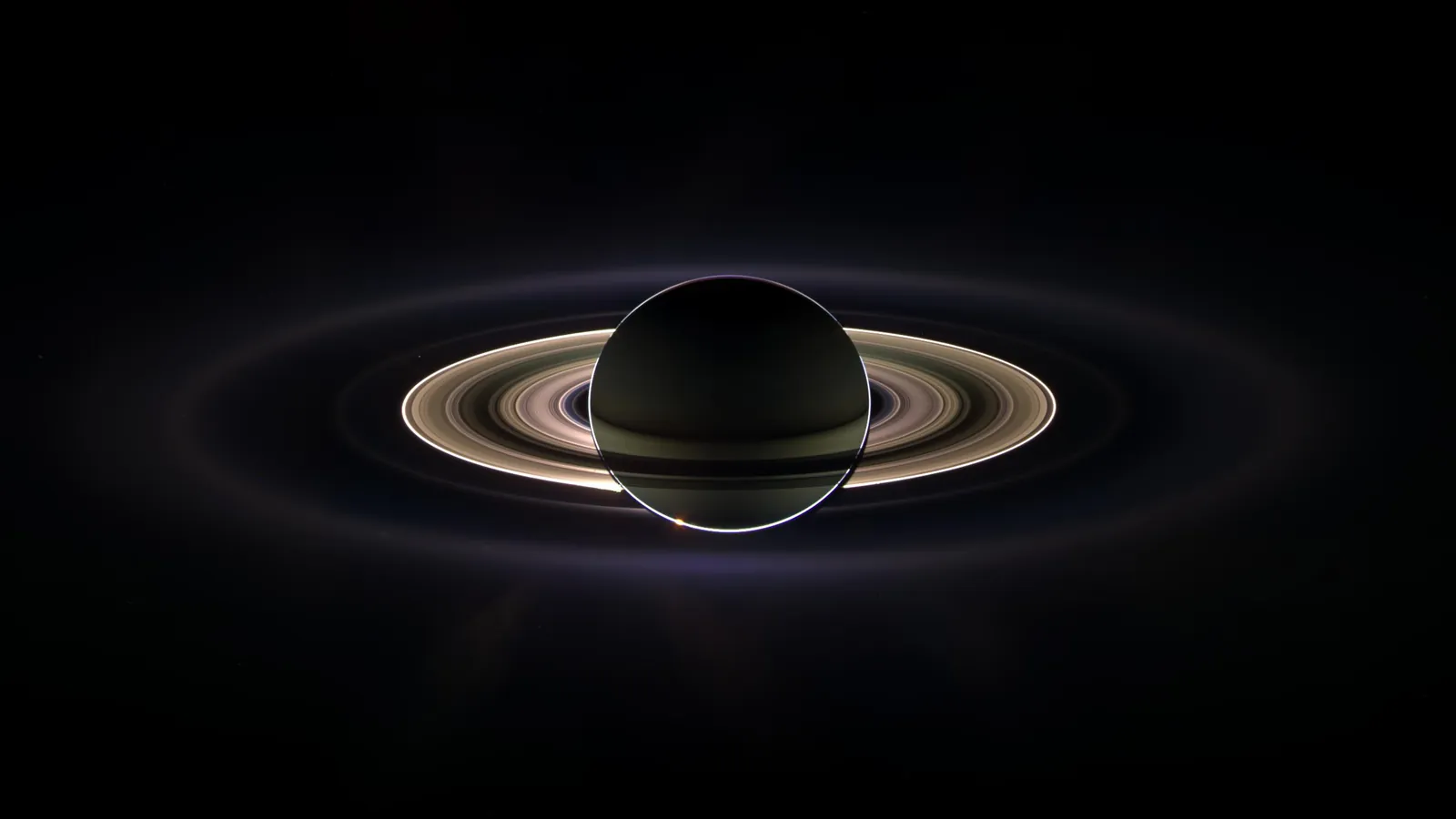
The Roche Limit:
Why Saturn's Rings Neither Scatter Nor Grow Into Moons
Within about 2.2 Saturn radii, tides tear an icy moon apart and stop fragments from regrouping. Saturn's main rings end right at this line, the Roche limit.
Read more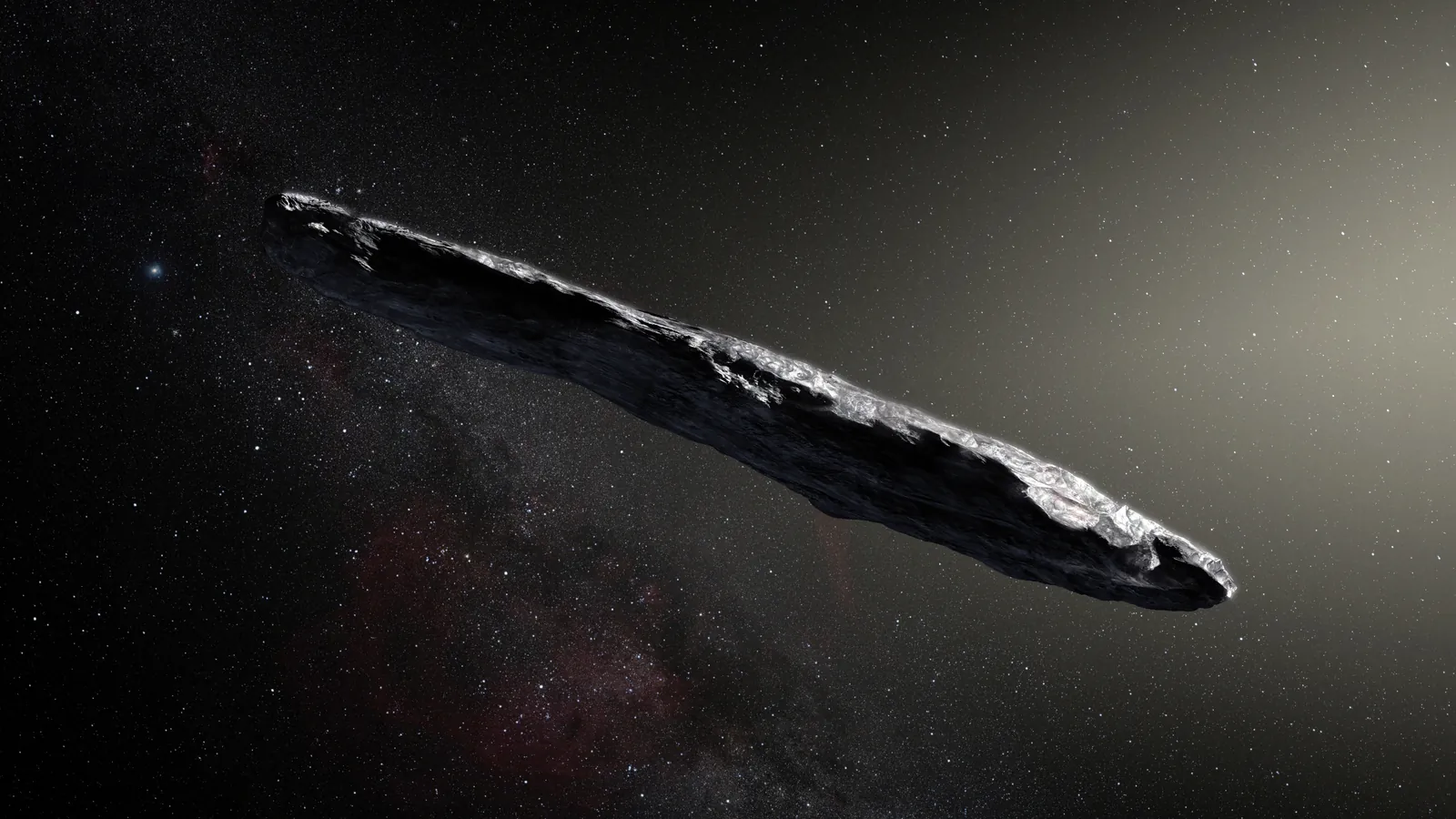
Interstellar Visitors:
Three Messengers We Only Got a Glimpse Of
Since 2017 we have confirmed three objects from other star systems: ʻOumuamua, Borisov and 3I/ATLAS. Each passed through once, too fast for the Sun to hold.
Read more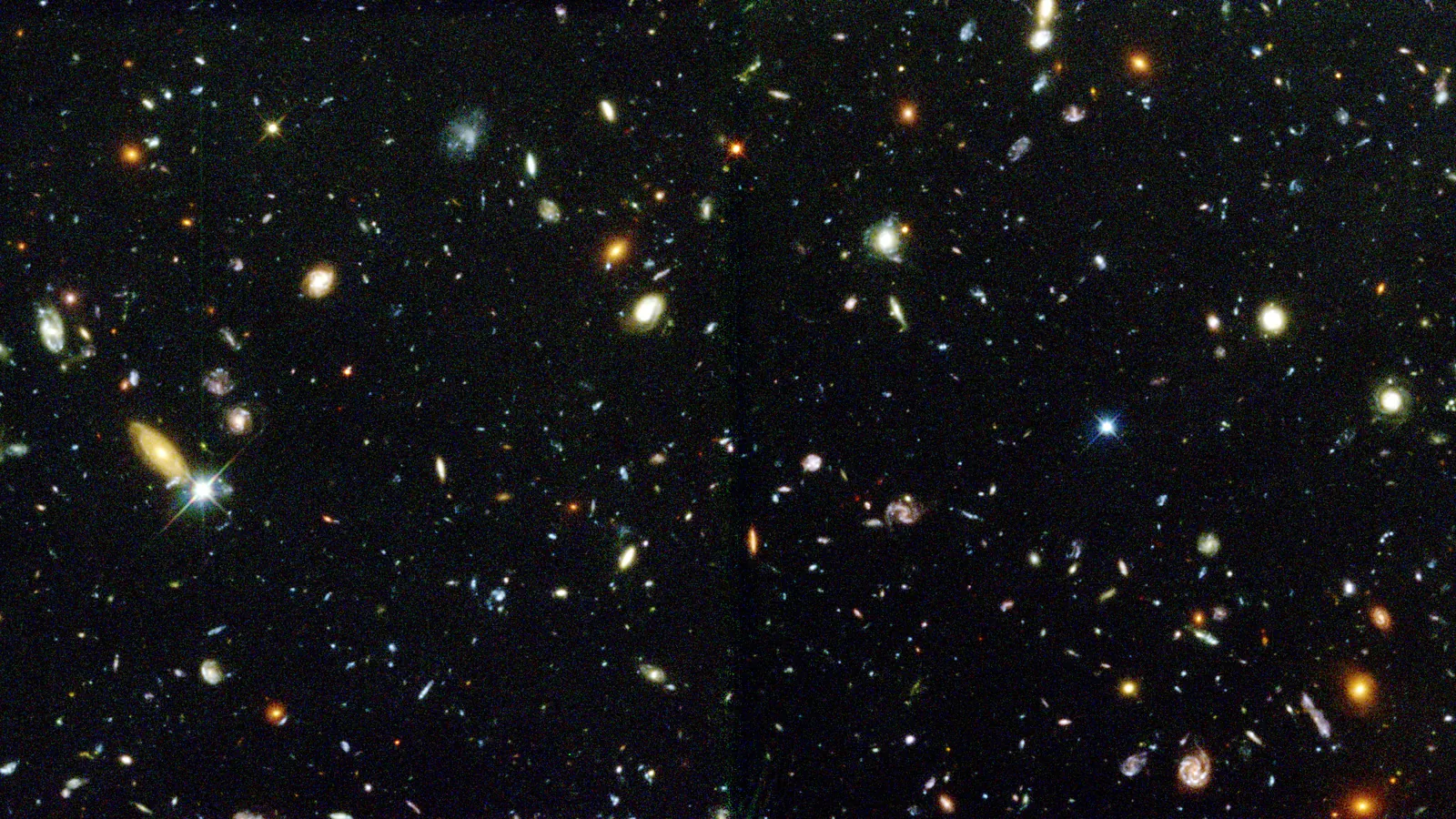
The Hubble Deep Field:
Ten Days Staring at "Empty" Sky
In December 1995, Hubble spent ten days on a seemingly blank patch of Ursa Major, taking 342 exposures. The image held about 3,000 galaxies and changed how we see galaxy evolution.
Read more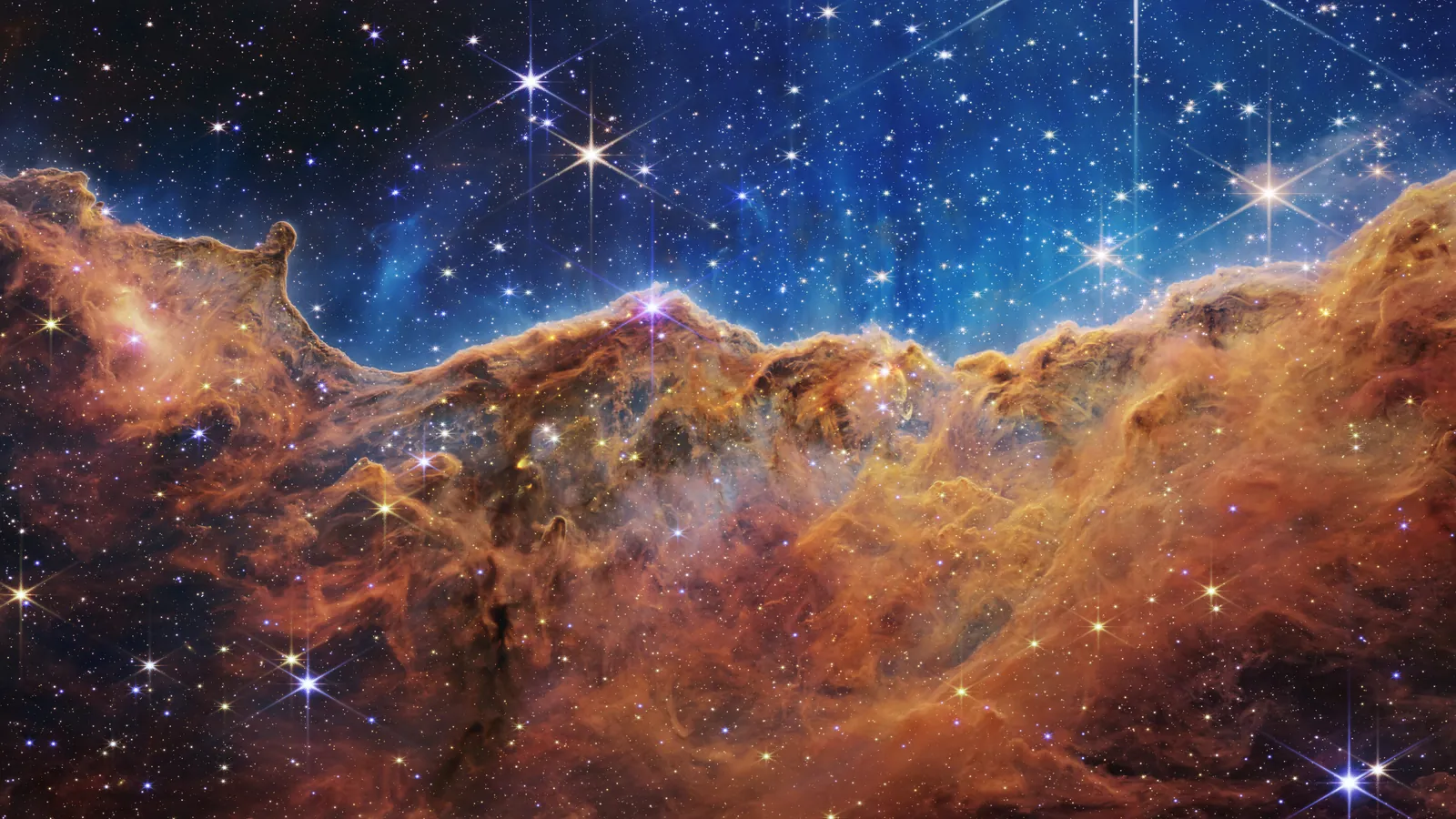
The Webb Telescope:
Why Go 1.5 Million km Away to See Infrared
Cosmic expansion stretches the light of the earliest galaxies into the infrared. To see it, Webb carried a 6.5 m gold-coated mirror and a five-layer sunshield to Sun–Earth L2.
Read more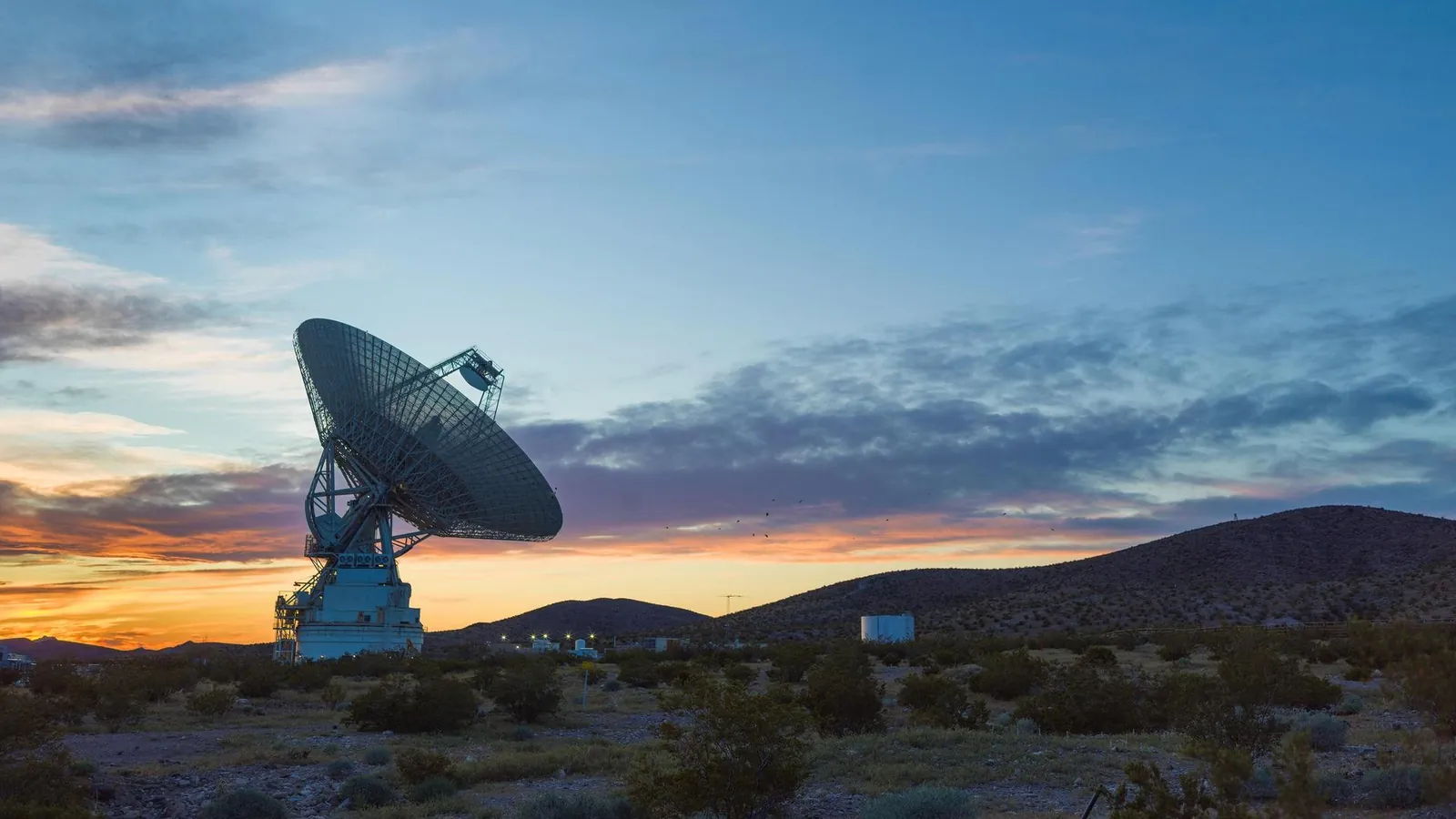
The Deep Space Network:
Hearing a Whisper from 25 Billion km Away
Voyager 1 transmits on about 22 watts, and its signal reaches Earth at around 10⁻¹⁸ W. Three complexes 120° apart, 70 m dishes and antenna arraying are why we can still hear it.
Read more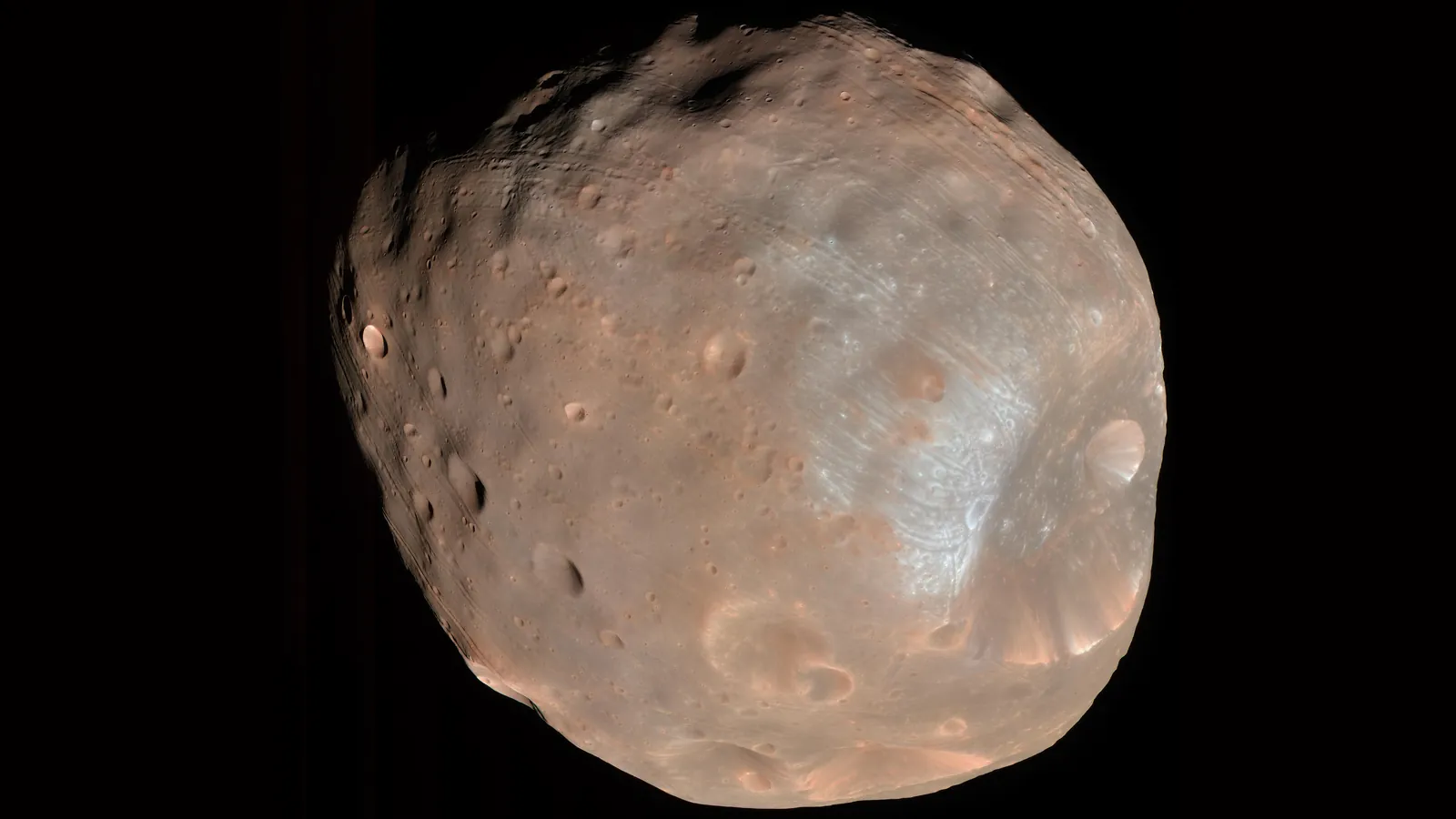
Phobos:
The Moon Falling Into Mars, and the Visitor Now on Its Way
Phobos orbits just 6,000 km above Mars and is slowly falling toward it. Japan's MMX spacecraft launched on October 20, 2026, to bring a sample of it back in 2031.
Read more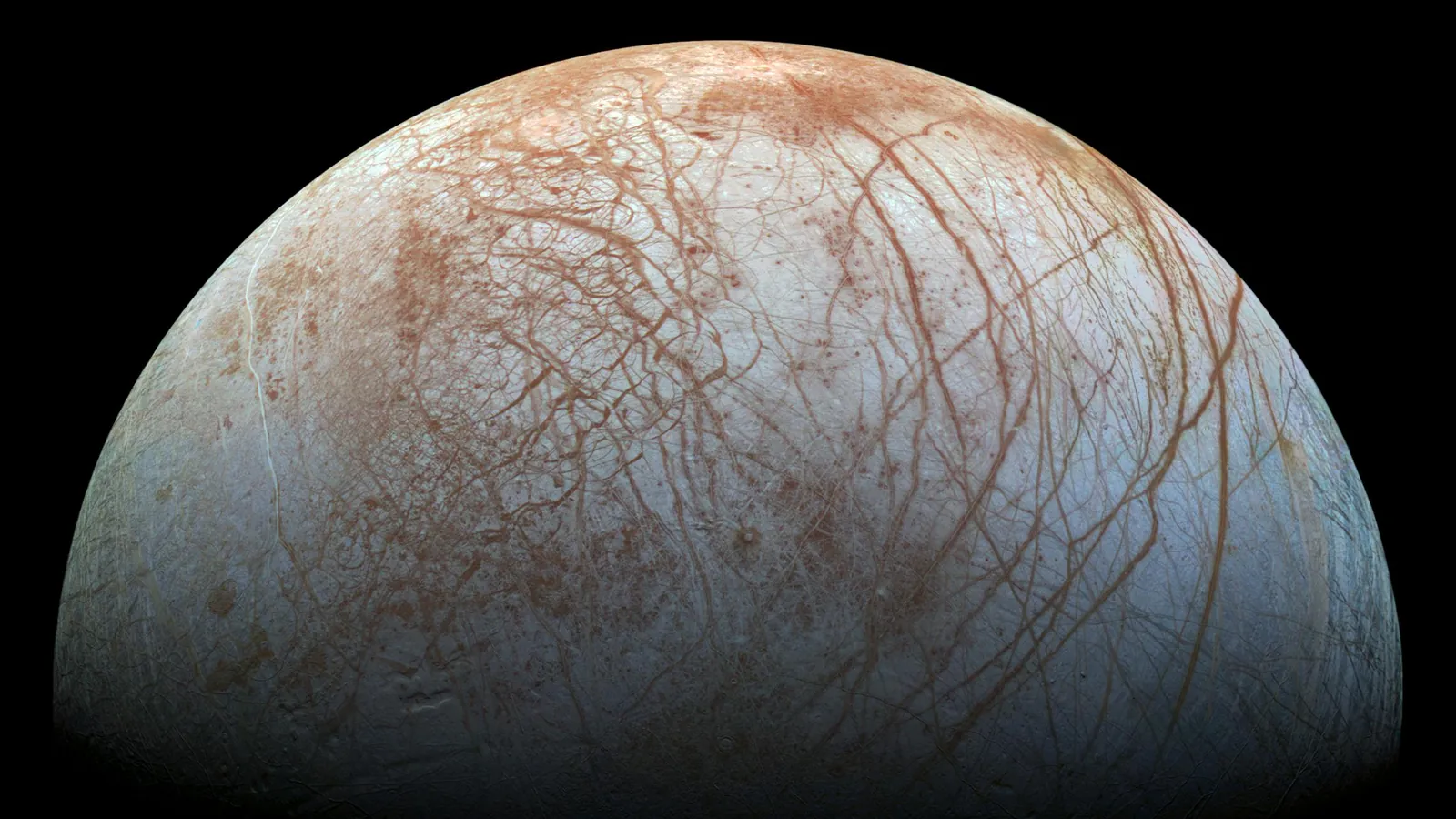
Europa:
An Ocean Under the Ice With Twice Earth's Water
Europa's surface sits near -160°C, yet under its ice there is very likely an ocean holding about twice the water of Earth's oceans. Europa Clipper reaches Jupiter in 2030.
Read more