From the solar system to deep space
Planets, moons, stars, galaxies and cosmology. Qizhuan articles on astronomical observation and astrophysics.
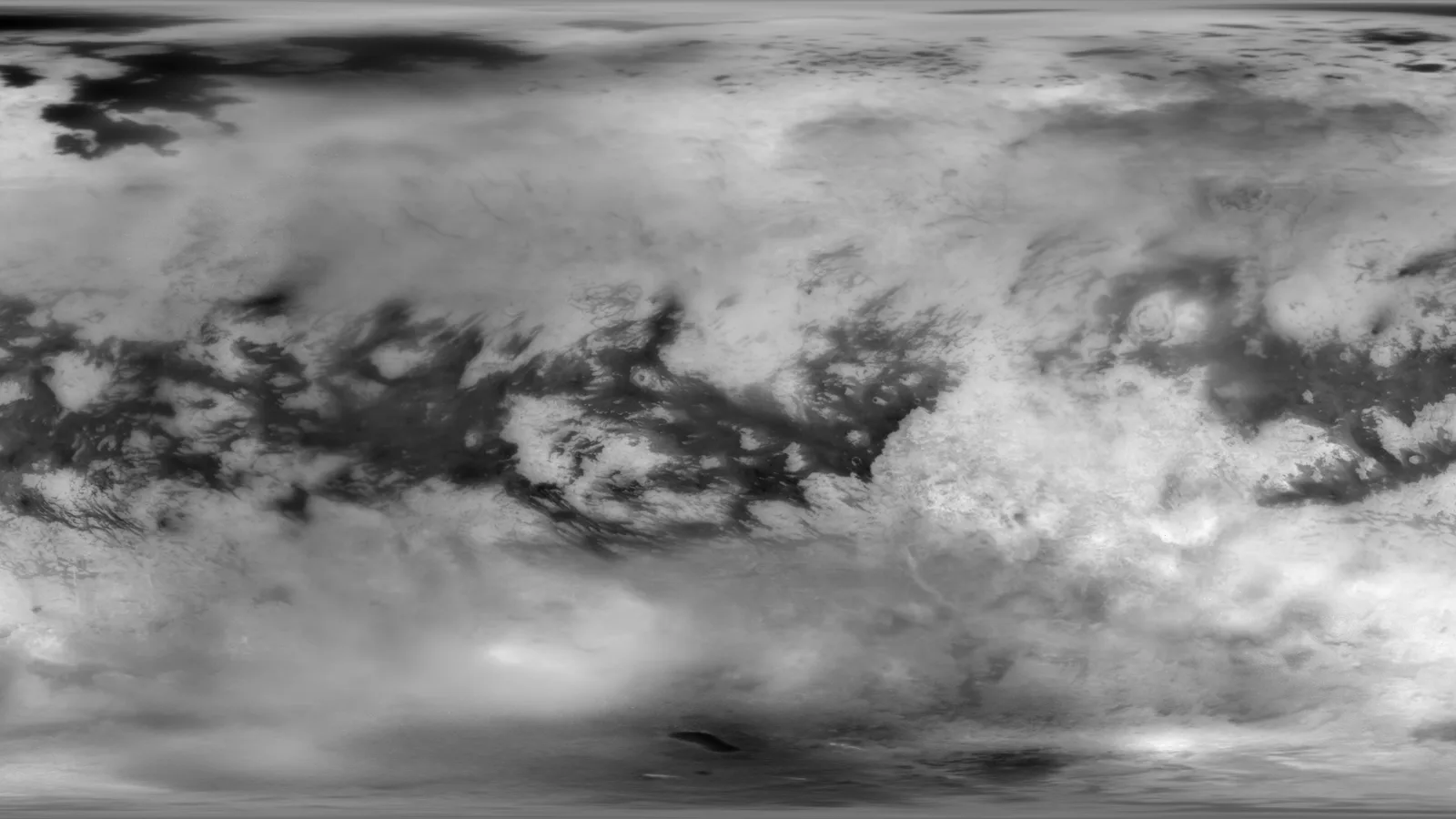
On Titan, Saturn Fills the Sky and You Can't See It
Saturn spans eleven times the width of the full Moon in Titan's sky, yet thick orange tholin haze hides it completely. This article unpacks Titan's dense atmosphere, methane cycle, tidal lock, and unsolved methane mystery.
Read more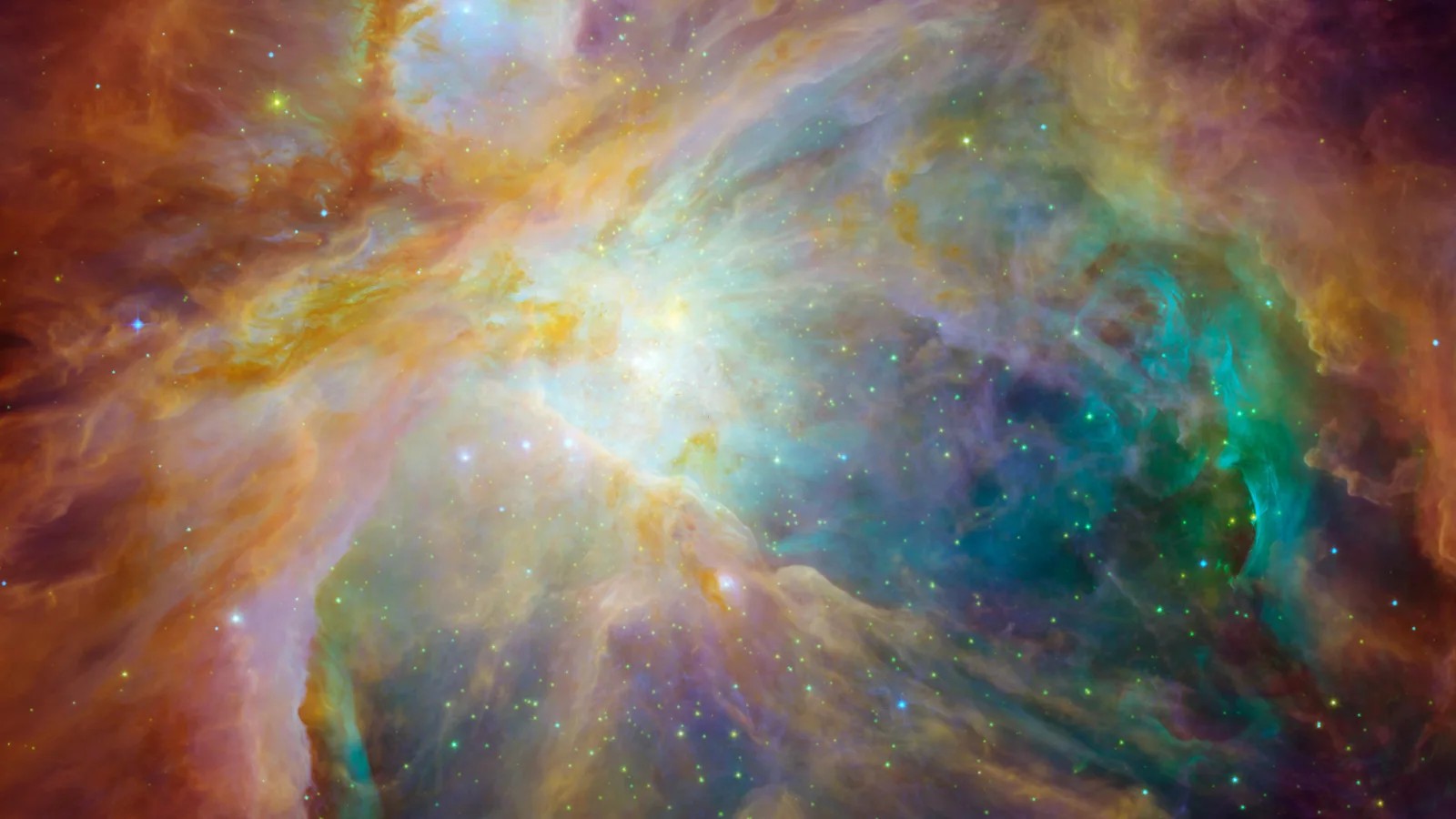
The Fuzzy Patch in Orion's Sword Is a Star Factory
1,344 light-years away, the Orion Nebula is not a static cloud but a star-forming region close enough to resolve individual protoplanetary disks. From Gaia distance to UV ionization and infrared dust, here is what happens inside.
Read more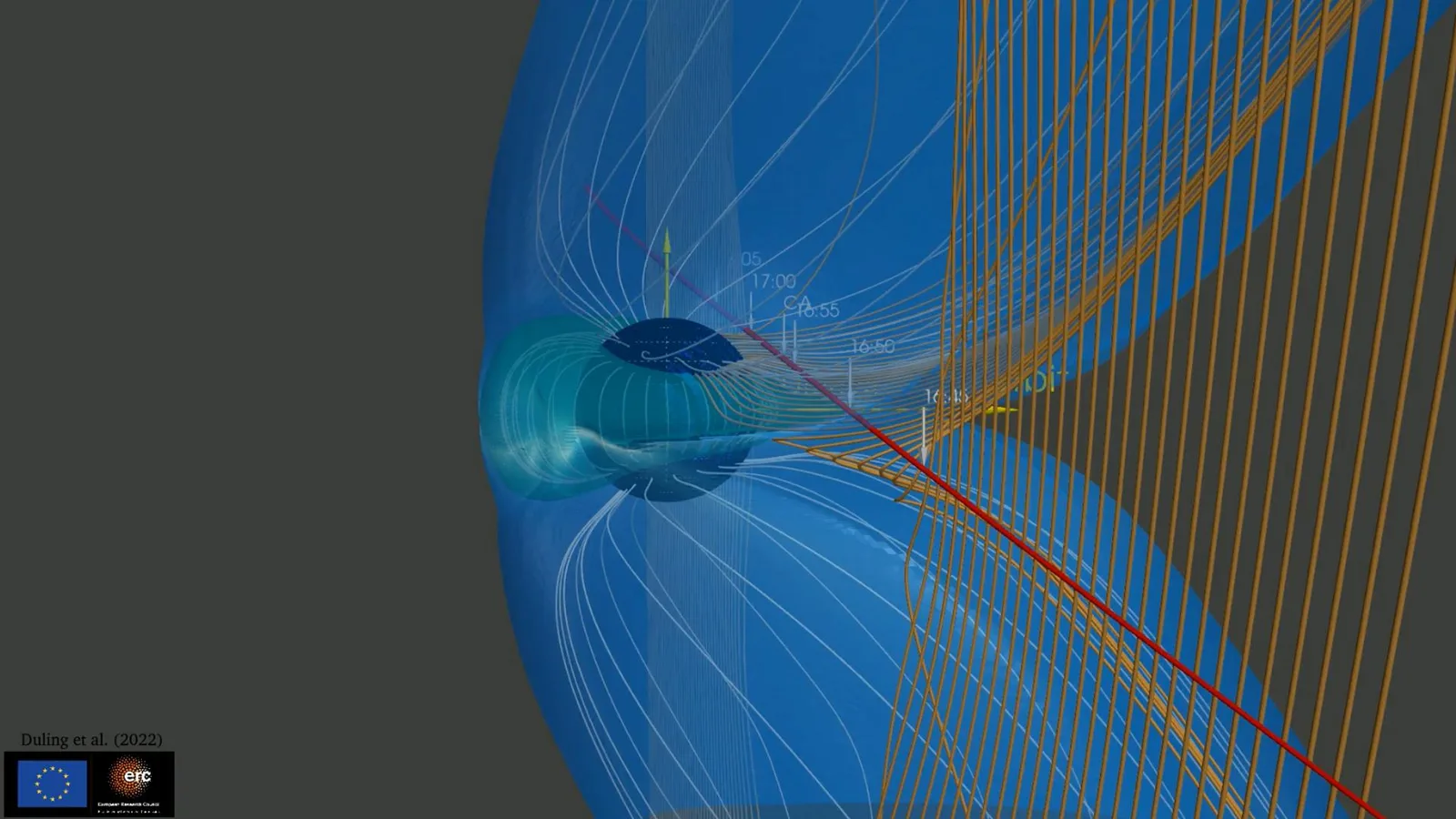
Ganymede: The Moon That Built Its Own Magnetic Field
A moon wider than Mercury, with its own magnetic field and a salt ocean under 150 km of ice. Hubble's aurora measurements supplied the second independent line of evidence for that buried sea.
Read more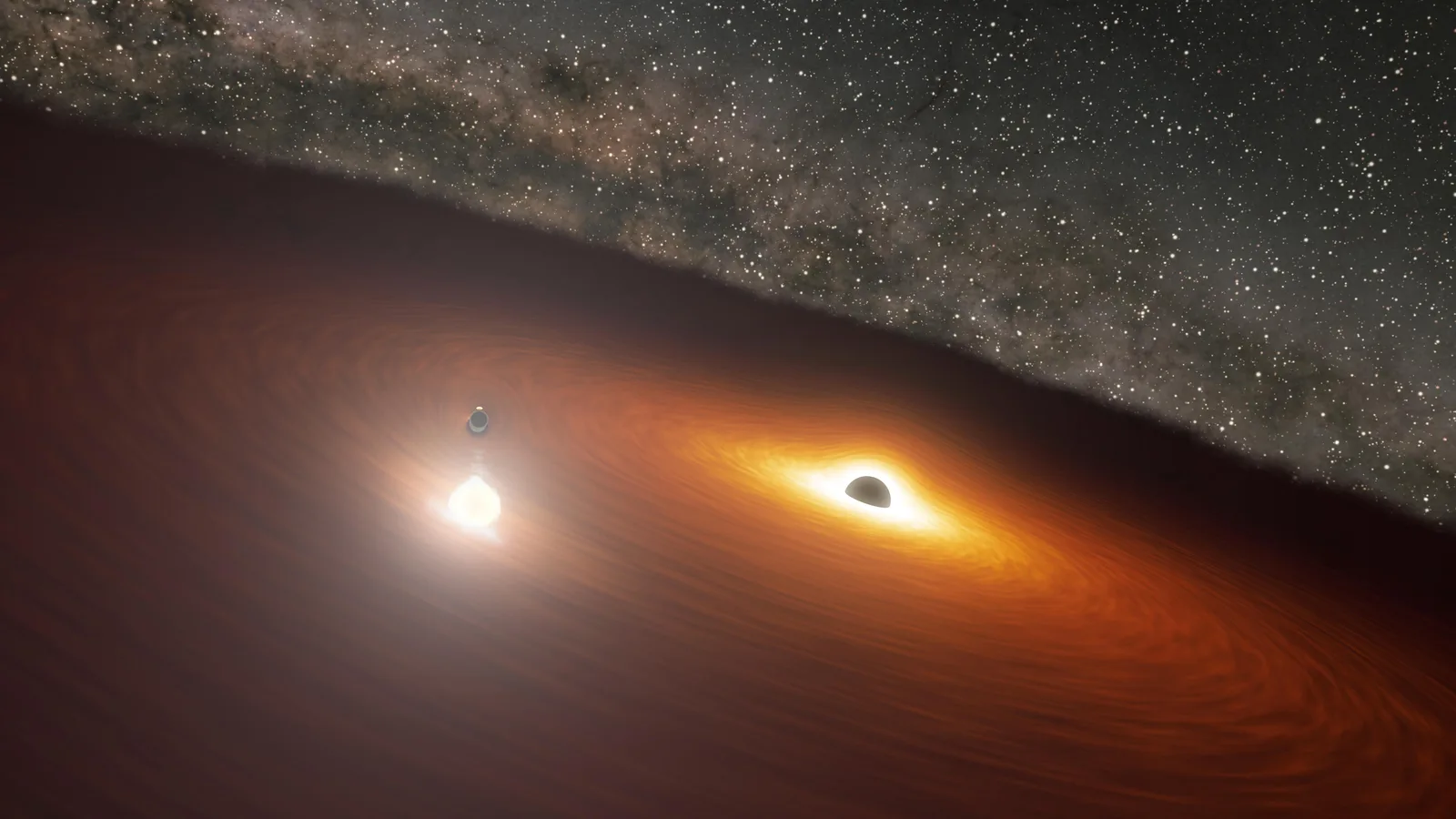
The First Time Humans Heard Two Black Holes Collide
The 0.2-second chirp LIGO recorded in 2015 opened a second channel to the universe beyond light. Here is how GW150914 was read from its waveform, why the detector took forty years and the announcement five months, and what it unlocked.
Read more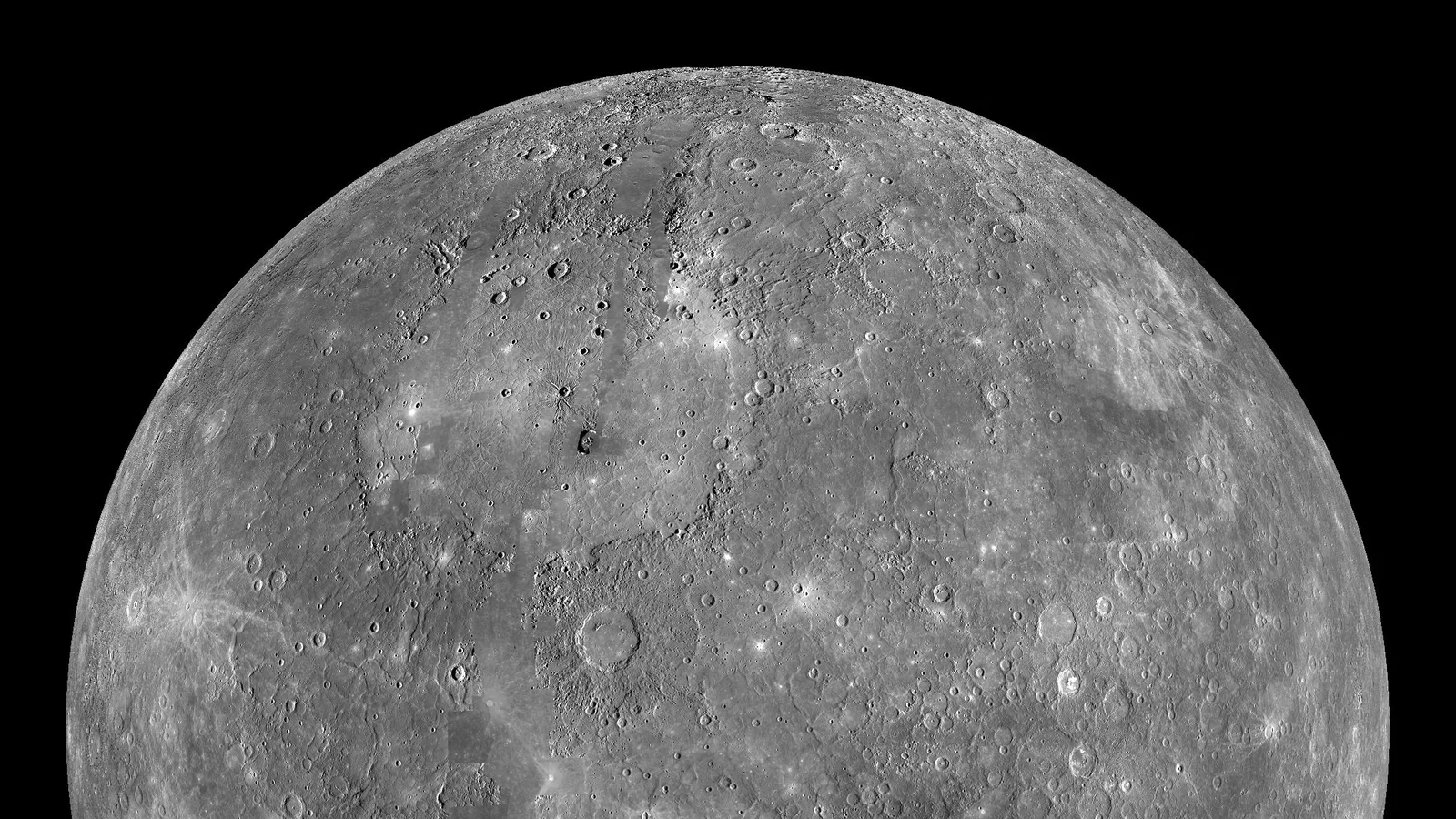
Mercury: A Day Longer Than Its Year, Ice at the Poles
Closest to the Sun yet full of contradictions: a 2:3 spin-orbit resonance makes Mercury's solar day longer than its year, shadowed polar craters hold water ice, and a core spanning 85% of its radius still powers an unexplained global magnetic field.
Read more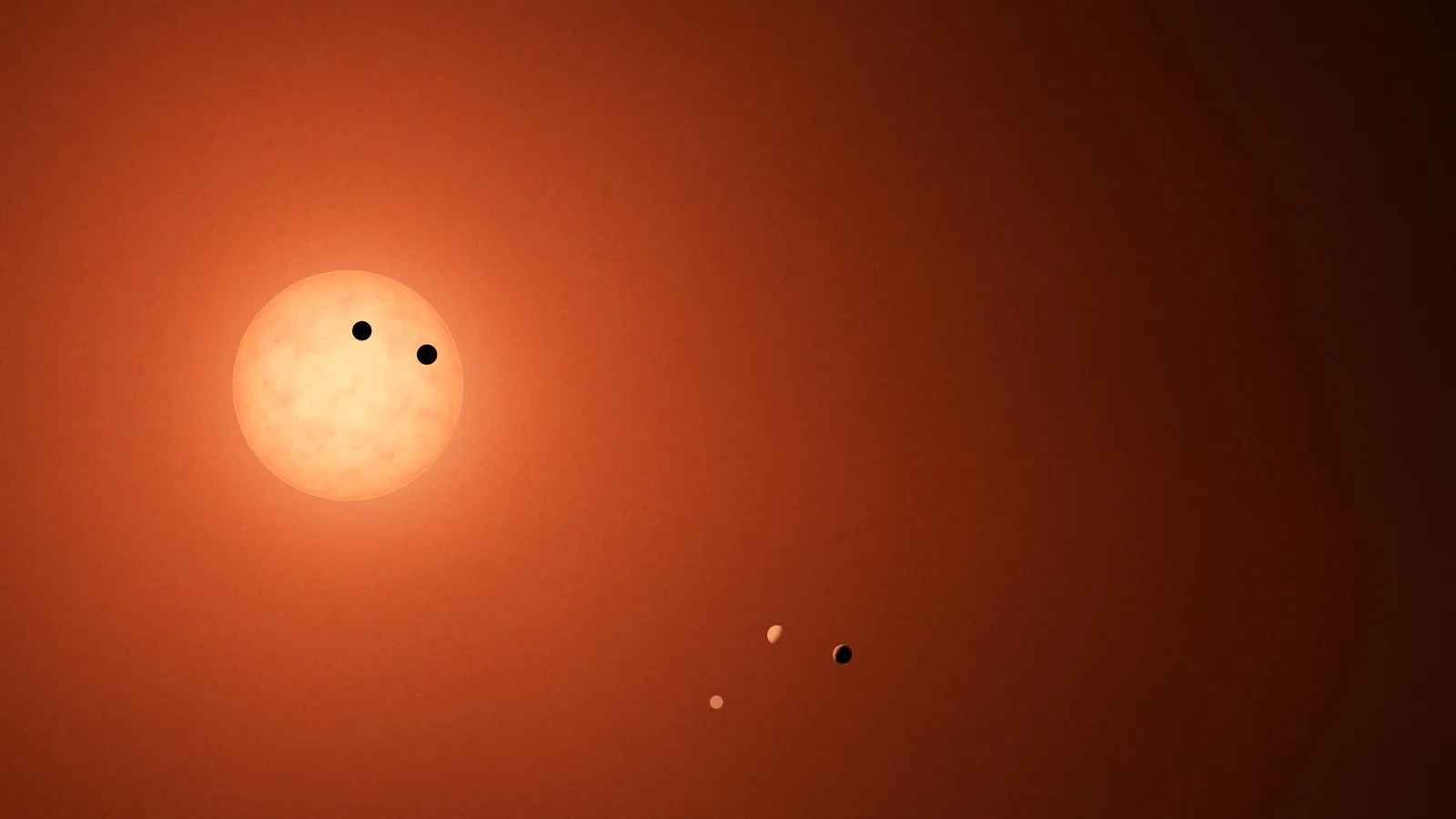
The 0.01% Wink That Found 6,000 Worlds
When a planet crosses its star, starlight dips by a tiny fraction on a repeating schedule. This guide explains how transit photometry works, how Kepler turned rare detections into thousands, how transits reveal atmospheres, and where the method is biased.
Read more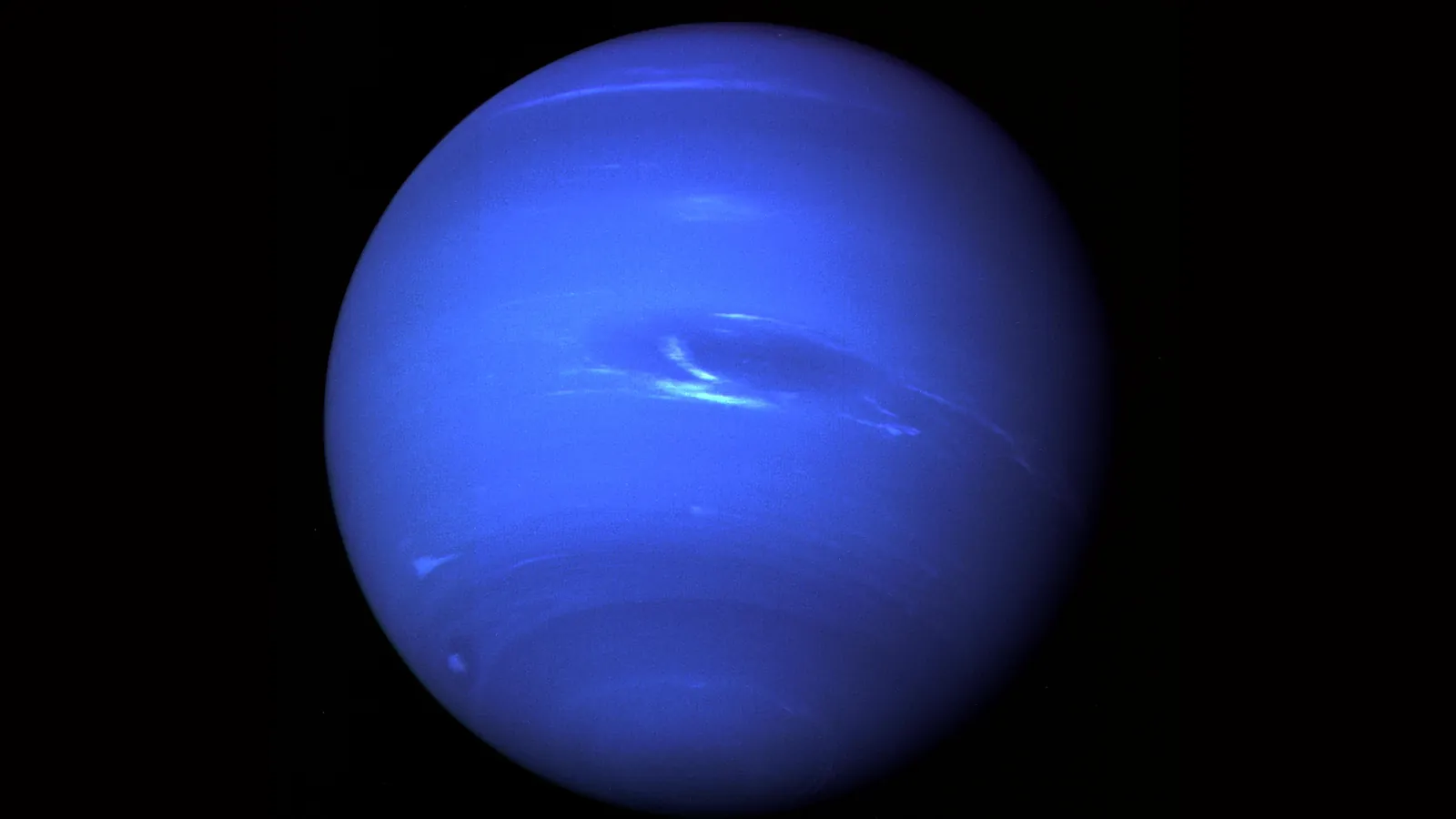
Neptune: The Planet Found With Pen and Paper
In 1846 Johann Galle found Neptune in under an hour, less than 1 degree from where Le Verrier's math pointed. Newton's gravity triumphed. The later Planet X was a mistake.
Read more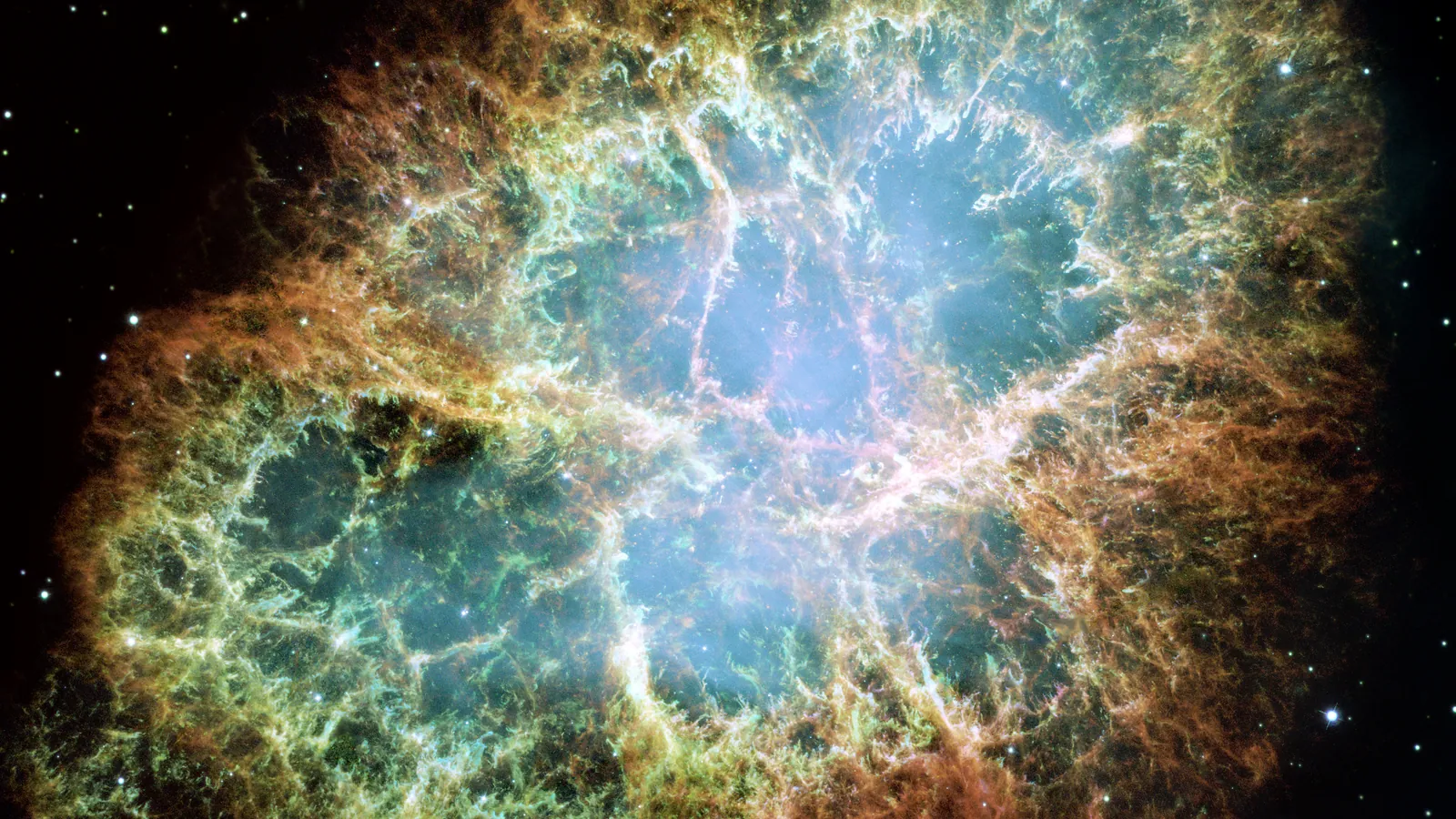
SN 1054: The Guest Star in the Song Dynasty Records
In 1054, Song dynasty astronomers logged a guest star seen in daylight for 23 days. Nearly 900 years later, it was confirmed as the supernova that created the Crab Nebula.
Read more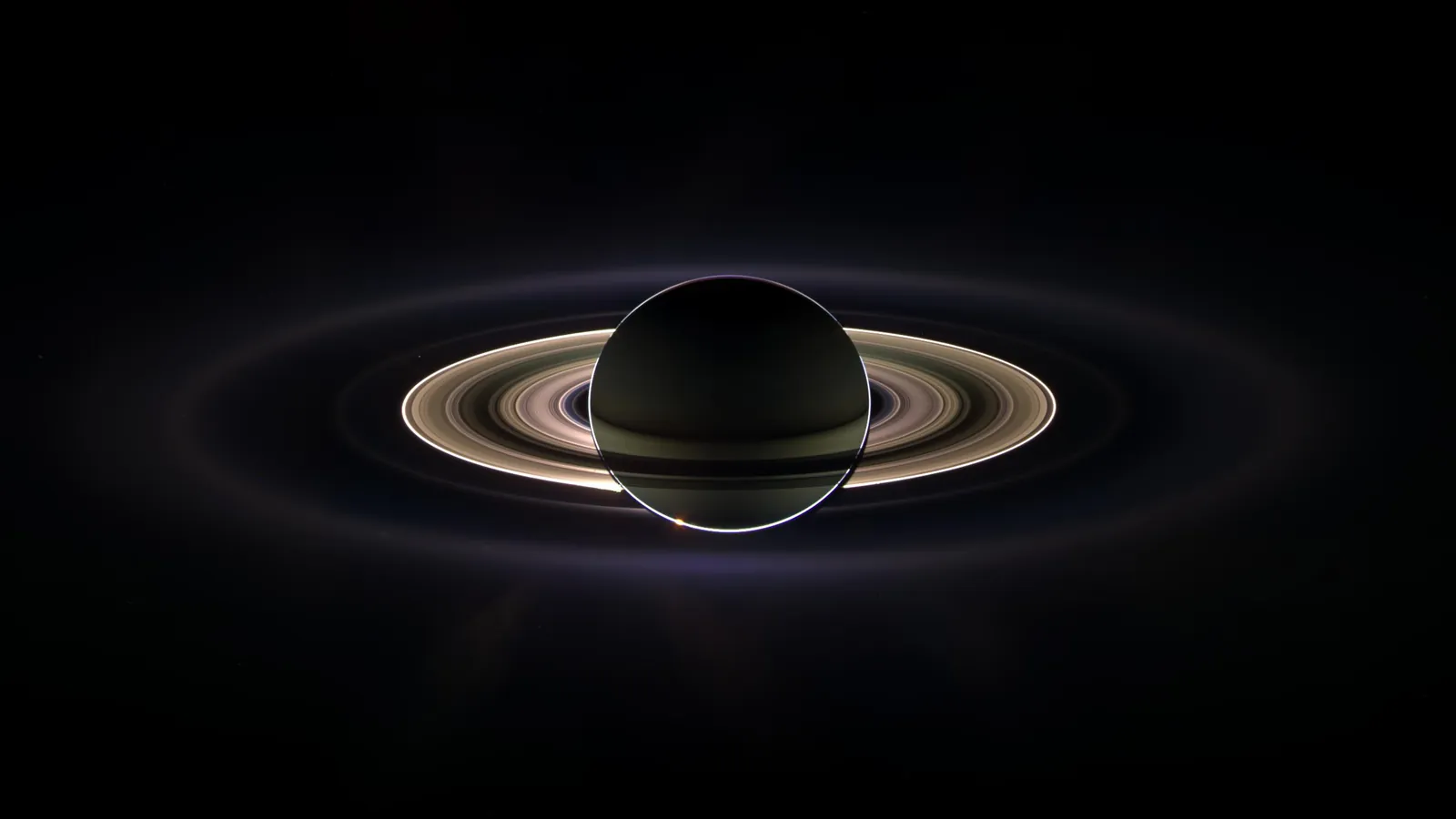
The Roche Limit: Why Saturn's Rings Stay Rings
Within about 2.2 Saturn radii, tides tear an icy moon apart and stop fragments from regrouping. Saturn's main rings end right at this line, the Roche limit.
Read more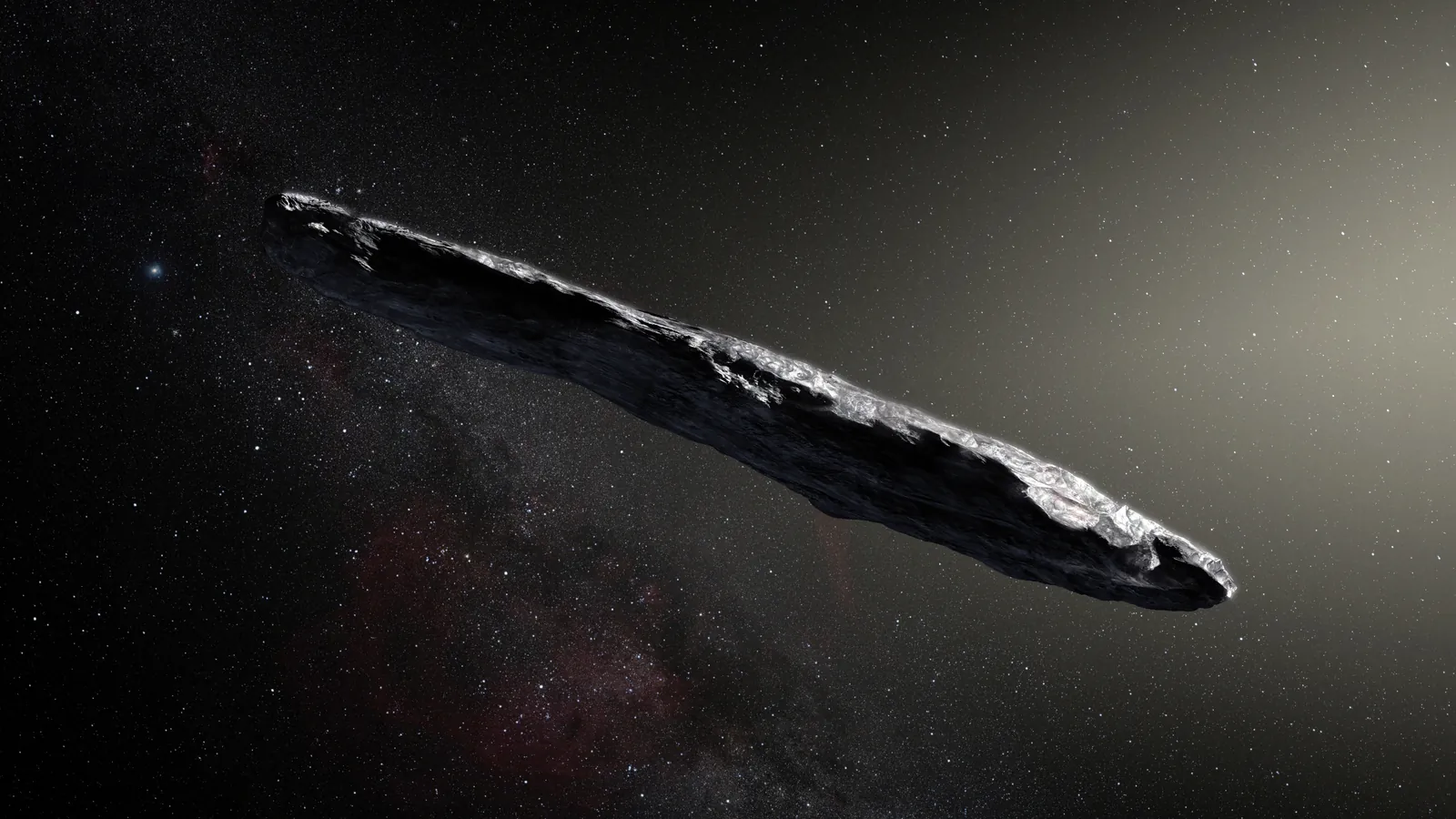
Interstellar Visitors: Three Fleeting Messengers
Since 2017 we have confirmed three objects from other star systems: ʻOumuamua, Borisov and 3I/ATLAS. Each passed through once, too fast for the Sun to hold.
Read more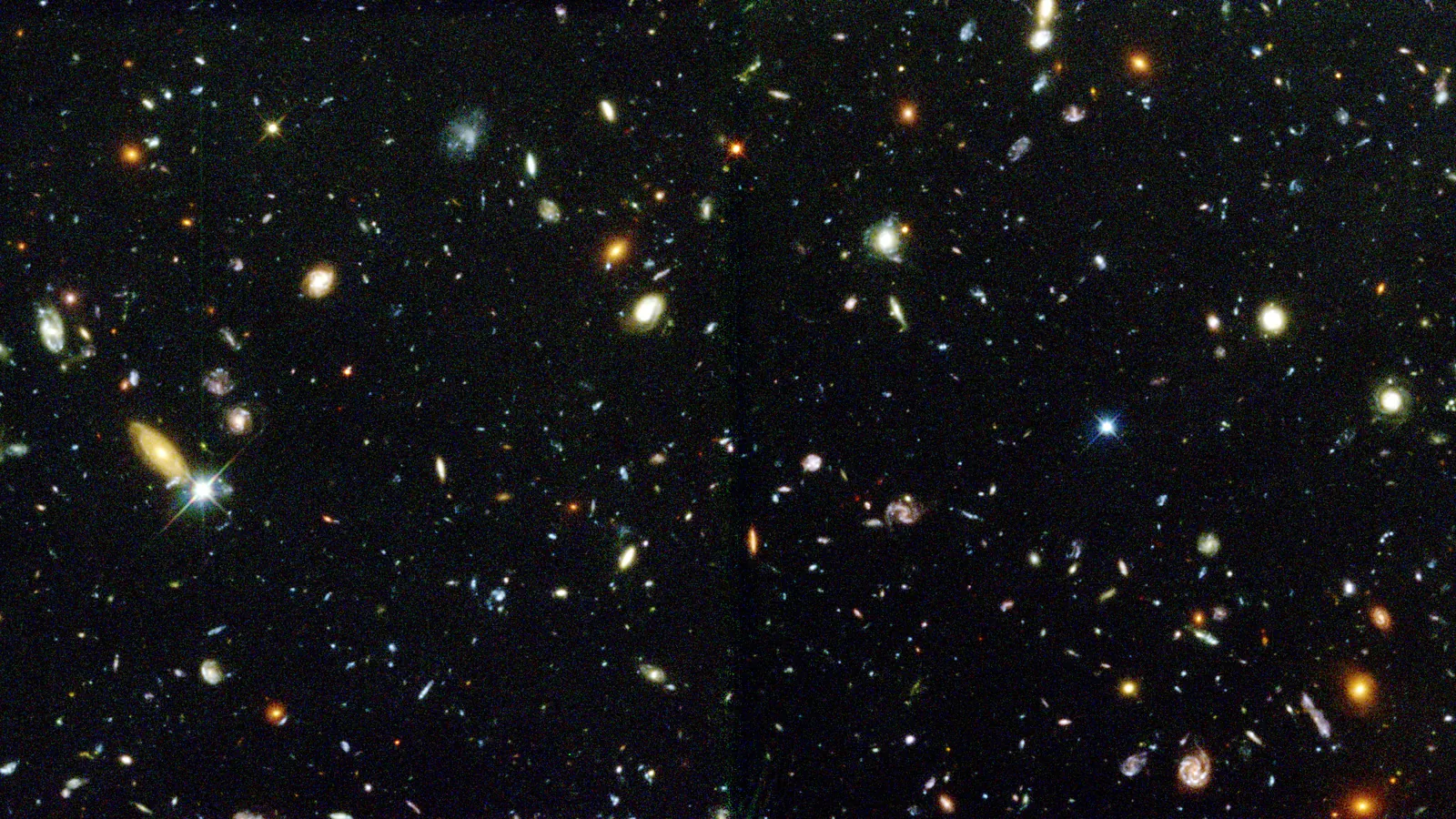
The Hubble Deep Field: Ten Days Staring at "Empty" Sky
In December 1995, Hubble spent ten days on a seemingly blank patch of Ursa Major, taking 342 exposures. The image held about 3,000 galaxies and changed how we see galaxy evolution.
Read more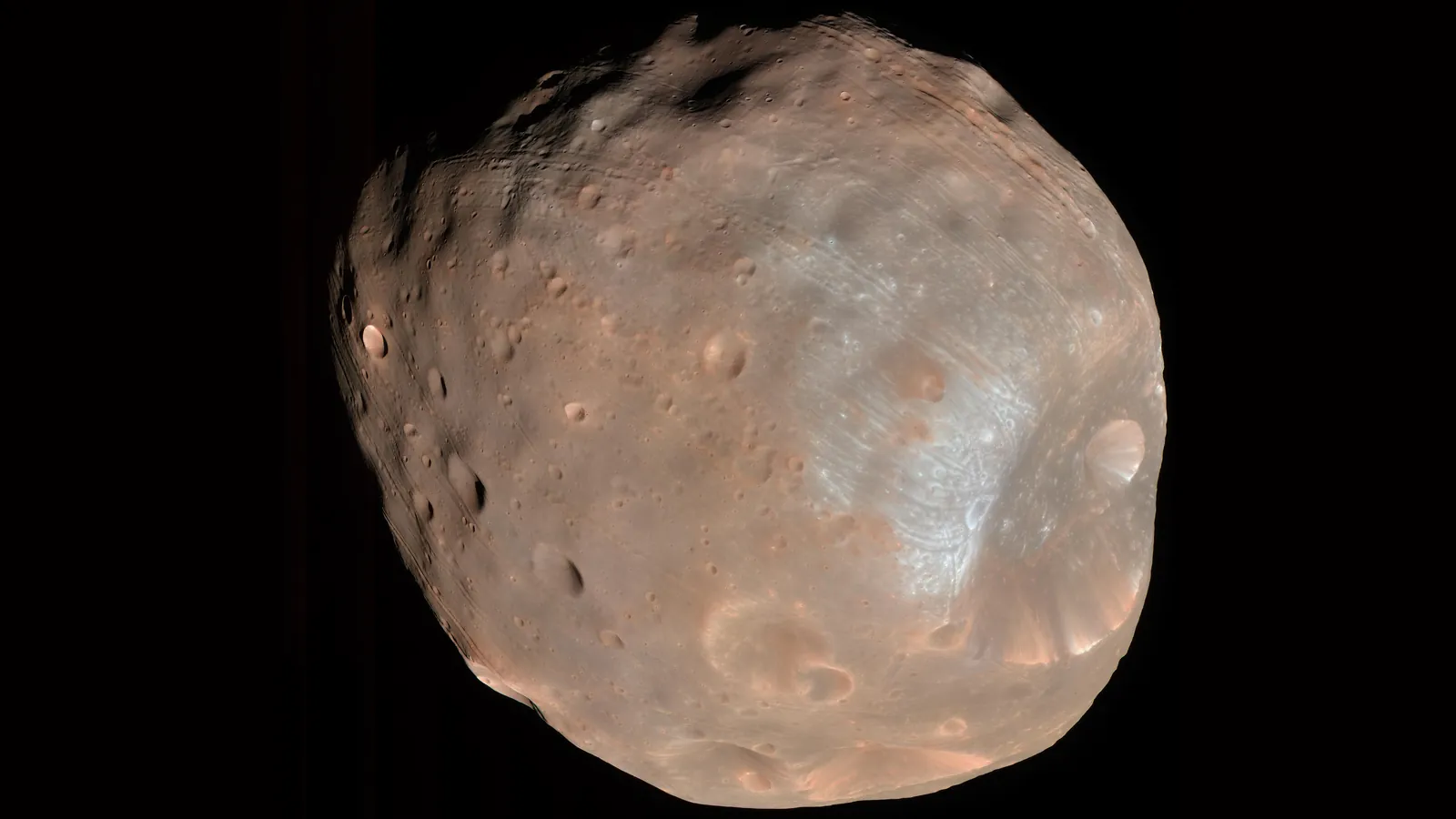
Phobos: The Moon Falling Toward Mars
Phobos orbits just 6,000 km above Mars and is slowly falling toward it. Japan's MMX spacecraft launched on October 20, 2026, to bring a sample of it back in 2031.
Read more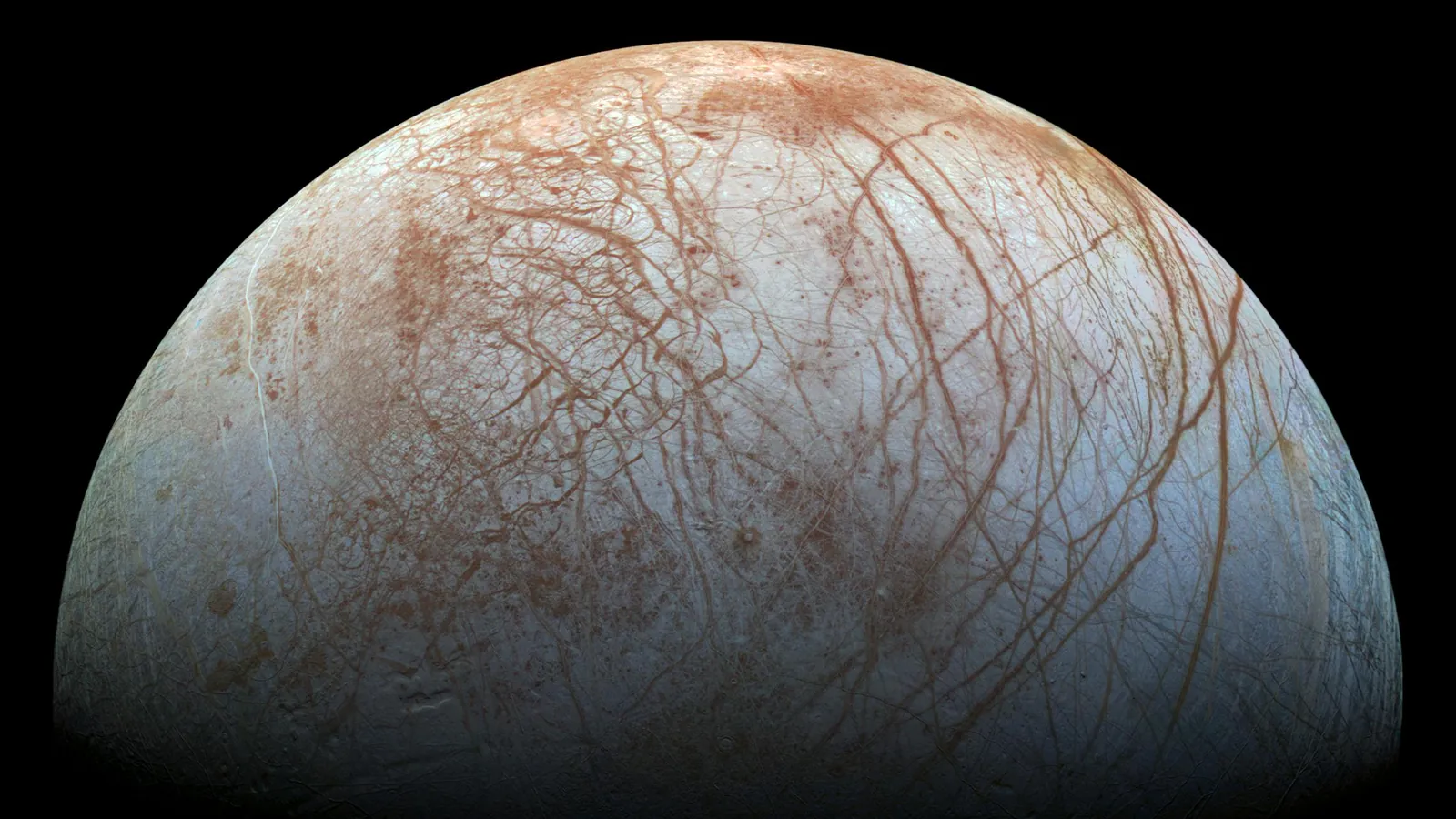
Europa: An Ocean Under the Ice With Twice Earth's Water
Europa's surface sits near -160°C, yet under its ice there is very likely an ocean holding about twice the water of Earth's oceans. Europa Clipper reaches Jupiter in 2030.
Read more